The Role of Iron Deficiency in Hair Loss
Last updated on May 4, 2026
Hair growth depends on a steady supply of nutrients, oxygen and healthy blood circulation. When the body lacks essential nutrients, hair follicles can become more sensitive to stress and may shift into the shedding phase sooner than expected.
Iron deficiency is one nutritional factor that has been widely studied in relation to hair thinning. Researchers have observed a link between low iron and hair loss in some patients, particularly those experiencing diffuse shedding across the scalp. While iron deficiency does not explain every case of hair loss, it can disrupt the hair growth cycle in certain individuals. Iron should not be supplemented when baseline iron levels are normal.
So, can iron deficiency cause hair loss? In this blog, we’ll explore the connection between iron levels and hair health, how deficiencies may affect the hair growth cycle and when it might be worth considering a medical evaluation.
Why Iron Matters for Hair Growth
Iron is essential for producing hemoglobin, the protein in red blood cells responsible for carrying oxygen throughout the body. Hair follicles require oxygen to support the rapid cell division that occurs during the growth phase of the hair cycle, known as the anagen phase.
When iron stores decline, oxygen delivery to tissues can become less efficient. Hair follicles may shift prematurely from the growth phase into the resting phase, called telogen. When this happens across many follicles at once, increased shedding can occur.
Researchers have studied the connection between low iron and hair loss for several decades. A number of clinical studies have observed lower ferritin levels, which represent stored iron, in patients experiencing diffuse hair shedding. Ferritin levels below certain thresholds have been associated with increased shedding in some individuals.
However, iron deficiency is not the only factor involved in hair thinning. It is part of a complex biological process that may involve hormonal influences, inflammatory conditions and genetic predisposition.
Can Iron Deficiency Cause Hair Loss?
Medical literature suggests that it can contribute in certain cases. Iron deficiency may trigger a form of shedding known as telogen effluvium. This condition occurs when a large number of hair follicles enter the resting phase of the hair growth cycle simultaneously. Several months later, noticeable shedding begins.
Telogen effluvium may develop after physiological stress such as illness, surgery, childbirth, heavy periods, veganism, or nutritional deficiencies. Iron deficiency is one of the nutritional factors investigated in connection with this condition.
Studies published in dermatology journals have found that some individuals experiencing telogen effluvium have lower ferritin levels than those without hair shedding. Increasing iron levels may help restore the normal hair cycle in people with confirmed deficiency. That said, hair loss has many possible causes. Laboratory testing is usually necessary to determine whether iron deficiency is present.
Recognizing Iron Deficiency Symptoms Linked to Hair Changes
Iron deficiency can produce a range of symptoms throughout the body. In some individuals, hair changes may appear before other signs become noticeable.
Common iron deficiency symptoms that hair loss patients may experience include:
- Increased daily shedding
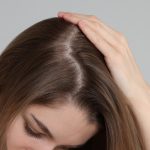
- Diffuse thinning across the scalp
- Slower hair growth
- Reduced hair density
- Hair that feels thinner or more fragile
Other symptoms of iron deficiency may include fatigue, shortness of breath during physical activity, pale skin, headaches and brittle nails. Women are particularly susceptible to iron deficiency due to menstrual blood loss and pregnancy-related blood loss.
Vegetarian or vegan diets, gastrointestinal conditions affecting nutrient absorption and chronic blood loss can also reduce iron levels. As symptoms can overlap with those of many other conditions, medical testing is required to confirm iron deficiency.
The Role of Ferritin in Hair Health
Ferritin is a protein that stores iron in the body. Measuring ferritin levels provides a clearer picture of iron reserves than measuring iron levels alone. Dermatologists and hair restoration physicians often evaluate ferritin levels when investigating unexplained hair shedding. Some studies suggest that ferritin levels above 40–70 ng/mL may support healthy hair growth in certain patients.
Low ferritin levels may reflect depleted iron stores even when haemoglobin levels remain within the normal range. This is why some people with iron deficiency experience hair shedding without obvious anemia. Testing ferritin can help determine whether iron deficiency may be contributing to hair thinning.
Does Iron Help With Hair Loss?
The answer depends on the underlying cause. If iron deficiency is confirmed by laboratory testing, correcting it may help restore normal hair growth cycles over time. Iron levels can be improved through dietary changes, supplementation, or treatment of the underlying cause of deficiency. Iron-rich foods include red meat, poultry, fish, lentils, beans, spinach and fortified cereals.
It is important to understand that hair growth responds slowly. Hair follicles operate in cycles that last months. Even after iron levels return to normal, it may take 3 to 6 months for noticeable improvement. If hair loss is caused by genetics or other medical conditions, iron supplementation alone may not resolve the problem. Iron supplementation should not occur without iron deficiency, unless recommended by your physician.
Can Too Much Iron Cause Hair Loss?
While iron deficiency receives most of the attention, excess iron can also create health concerns. Excessive iron levels may occur in conditions such as hemochromatosis or from prolonged supplementation without medical supervision. High iron levels can contribute to oxidative stress, which may damage tissues and organs.
Although hair loss is not typically the primary symptom of iron overload, maintaining balanced nutrient levels remains important for overall health. For this reason, iron supplementation should be taken only under medical guidance after laboratory testing confirms a deficiency. Self-prescribing iron supplements without testing may lead to unnecessary risks.
Other Factors That Influence Hair Loss
Iron deficiency is only one potential contributor to thinning hair. A comprehensive medical evaluation often considers multiple factors that influence hair growth.
These may include:
- Genetic hair loss patterns
- Hormonal changes
- Thyroid disorders
- Scalp inflammation or infection
- Autoimmune conditions such as alopecia areata
- Nutritional deficiencies beyond iron, including vitamin D, iodine, and zinc
- Certain medications
As hair follicles respond to many internal signals, identifying the root cause often requires careful assessment.
When to Consider Medical Evaluation
Hair shedding becomes more noticeable when approximately 100 to 150 hairs are lost per day. Temporary increases can occur during seasonal changes or after physical stress. However, persistent shedding, widening part lines, or visible thinning across the scalp may indicate an underlying issue. A medical evaluation may include:
- A detailed health history
- Scalp examination
- Blood testing for nutrient levels and hormone balance
- Assessment of hair density and growth patterns
At specialized clinics focused on hair restoration, physicians evaluate both medical and surgical treatment options depending on the cause of hair loss. Hair restoration clinics, such as those offering hair restoration treatment like hair transplant procedures and medical therapies, often begin with a comprehensive consultation to determine the most appropriate approach.
Physicians with extensive experience in hair restoration can evaluate donor hair availability, scalp health and long-term hair growth patterns when considering treatment options.
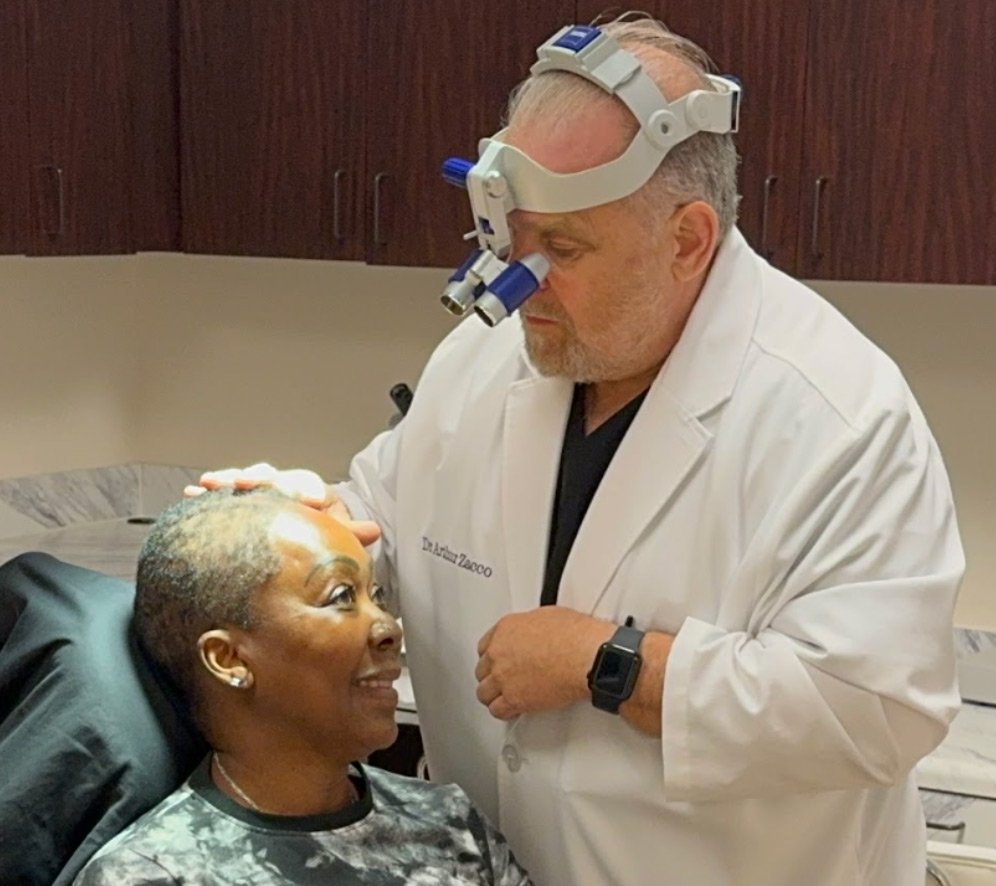
We support men and women experiencing hair loss with thorough medical evaluations and proven hair restoration treatments designed to identify the cause and protect long-term hair growth. Whether you have genetic, iron-related hair loss, or undiagnosed hair thinning, our experienced physician-led clinic in Raleigh provides expert guidance and advanced solutions to help patients address thinning hair and restore natural hair density.
Supporting Hair Health Through Nutrition
A balanced diet remains one of the most effective ways to support hair health. Hair follicles require a consistent supply of nutrients to maintain the growth phase of the hair cycle.
Nutrients that contribute to healthy hair growth include:
- Iron
- Protein
- Zinc
- Vitamin D
- B vitamins
- Iodine
- Essential fatty acids
Consuming a varied diet that includes lean proteins, vegetables, whole grains and healthy fats helps support these requirements. If nutritional deficiencies are suspected, laboratory testing can help determine whether supplementation is necessary. Nutrient supplementation should always be done under the supervision of a physician.
Understanding the Link Between Iron and Hair Loss
Iron deficiency can affect many systems in the body, including the hair growth cycle. Reduced iron stores may contribute to increased shedding in some individuals, particularly when ferritin levels fall below optimal ranges.
However, hair loss is rarely caused by a single factor. Genetics, hormones, scalp health and overall nutrition all influence hair growth patterns. A careful medical assessment helps determine whether iron deficiency plays a role.
Addressing nutritional deficiencies, maintaining balanced iron levels and evaluating other potential causes can help guide appropriate treatment. For individuals experiencing persistent hair thinning, a free consultation with a physician experienced in hair restoration can provide valuable insight into diagnosis and treatment options.
FAQs
What does iron deficiency hair loss look like?
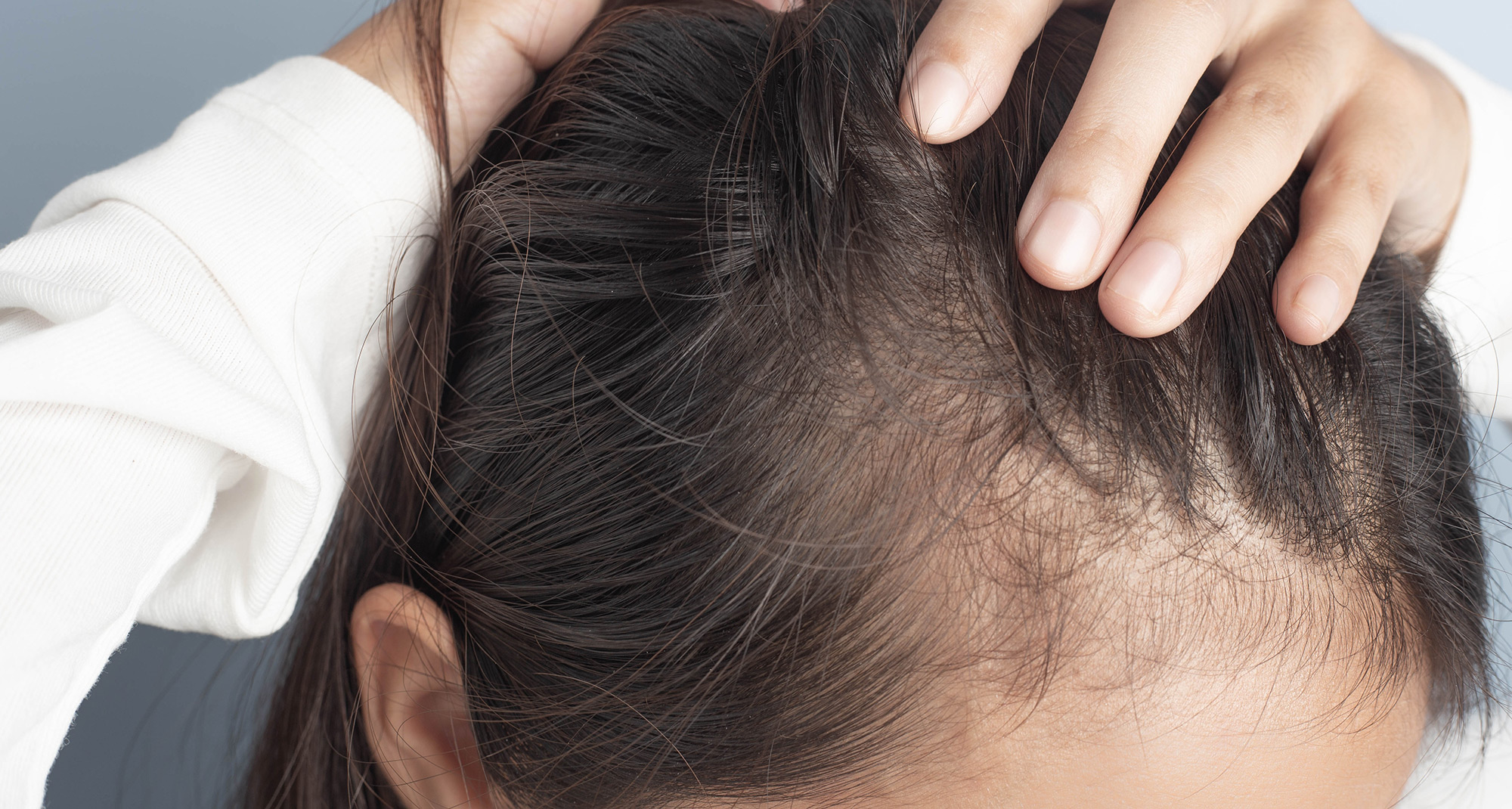
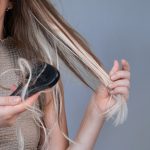
Iron deficiency hair loss usually appears as diffuse thinning across the scalp rather than patches of baldness. Many people notice more strands on their pillow, in the shower, or when brushing their hair. The hair may also appear finer or less dense over time. If you are noticing these changes, a medical assessment can help identify the cause.
Hair loss due to iron deficiency. Will it grow back?
Hair loss caused by iron deficiency often improves once iron levels return to normal. When the body restores healthy iron stores, hair follicles can gradually return to their normal growth cycle. This process takes time because hair grows slowly. In many cases, new growth becomes noticeable within several months.
Is hair loss from iron deficiency permanent?
Hair loss related to iron deficiency is usually temporary. When iron levels are corrected, hair follicles often resume their normal growth cycle. However, regrowth can take several months because hair grows slowly and cycles through different phases. Persistent thinning may indicate another underlying condition, such as genetic hair loss.



 Online Marketing For Doctors