Hair Loss and Heat: What Every Flat Iron Lover Needs to Know
Last updated on July 30, 2026
Flat irons are a staple in many daily hair routines. They smooth, shape, and style hair quickly. Over time, however, frequent heat styling can quietly undermine hair health. Many people notice dryness, breakage, or thinning and start worrying about hair loss. So, does heat cause hair loss? And what can you do to improve growth, thickness, and health?
Let’s look at how heat affects hair structure, what heat damaged hair looks like, and how long-term damage can contribute to thinning. You will also learn practical steps for prevention, guidance on how to repair heat damaged hair, and when it may be time to seek medical advice.
How heat interacts with hair at a structural level
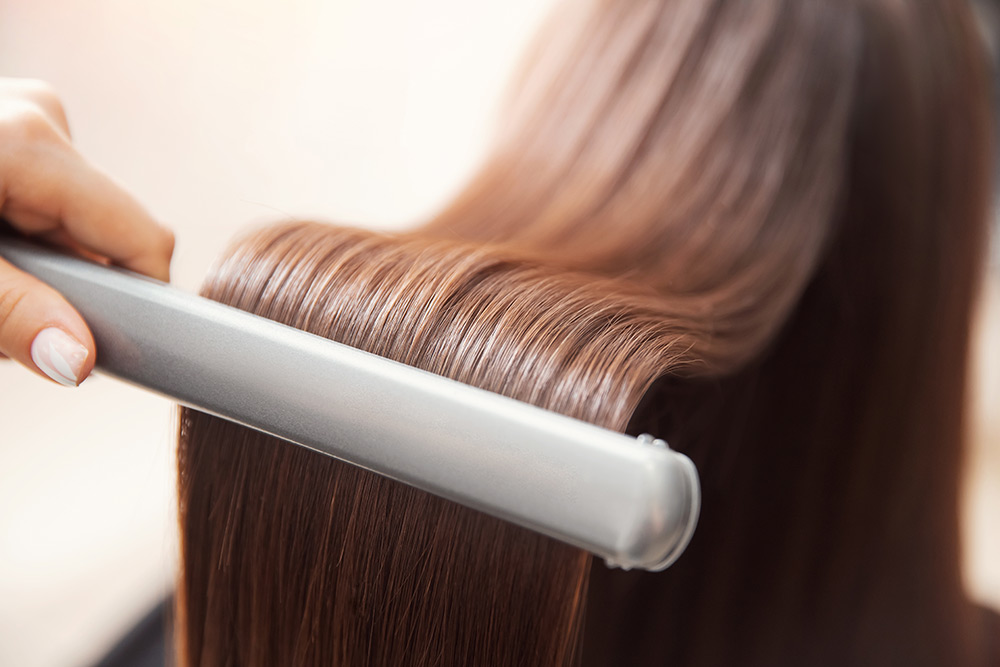
Hair is made of keratin, a strong protein arranged in layers. The outer cuticle protects the inner cortex, which gives hair its strength and elasticity. When a flat iron reaches temperatures above 300°F, it removes moisture from the hair shaft and weakens the bonds that hold keratin together.
Occasional heat exposure may cause only temporary dryness. Repeated exposure without protection can permanently alter the hair shaft. The cuticle lifts or cracks, leaving the inner structure exposed. Over time, this leads to fragility and breakage along the length of the hair.
This explains why heat is bad for your hair. Heat does not damage the follicle directly in most cases, but it compromises the hair fiber itself.
Does heat cause hair loss or just breakage?
A common concern is whether heat tools actually cause hair loss. From a medical perspective, most heat-related damage results in breakage rather than true hair loss. True hair loss involves disruption of the hair growth cycle at the follicle level.
That said, severe and chronic heat damage can create the appearance of thinning. When hair breaks close to the scalp or snaps repeatedly, the density looks reduced. In extreme cases, prolonged heat combined with styling tension can irritate the scalp and contribute to inflammation. This environment is not ideal for healthy hair growth.
When people ask whether heat styling causes hair loss, the answer is usually indirect. Heat weakens hair shafts, leads to breakage, and makes existing thinning more noticeable. It can also worsen underlying conditions like androgenetic alopecia or traction-related hair loss.
What does heat damaged hair look like in real life?
Recognizing damage early can prevent further loss of length and density. Common signs include:
- Dry, brittle texture that does not improve with conditioning
- Split ends that reappear quickly after trimming
- Hair that snaps easily when brushed or styled
- Dull appearance with reduced shine
- Uneven length or frayed ends
- Increased tangling and roughness
In more advanced cases, heat damaged hair may look thinner overall because broken strands no longer contribute to volume. Some people notice that their hair never seems to grow past a certain length. This is often due to breakage rather than slowed growth.
We help men and women understand what is really causing their hair loss, whether it’s heat damage, genetic thinning, or a combination of both. Through expert evaluation and personalized treatment plans, we focus on protecting existing hair and restoring long-term density with medically guided solutions.
Why repeated flat iron use increases risk over time
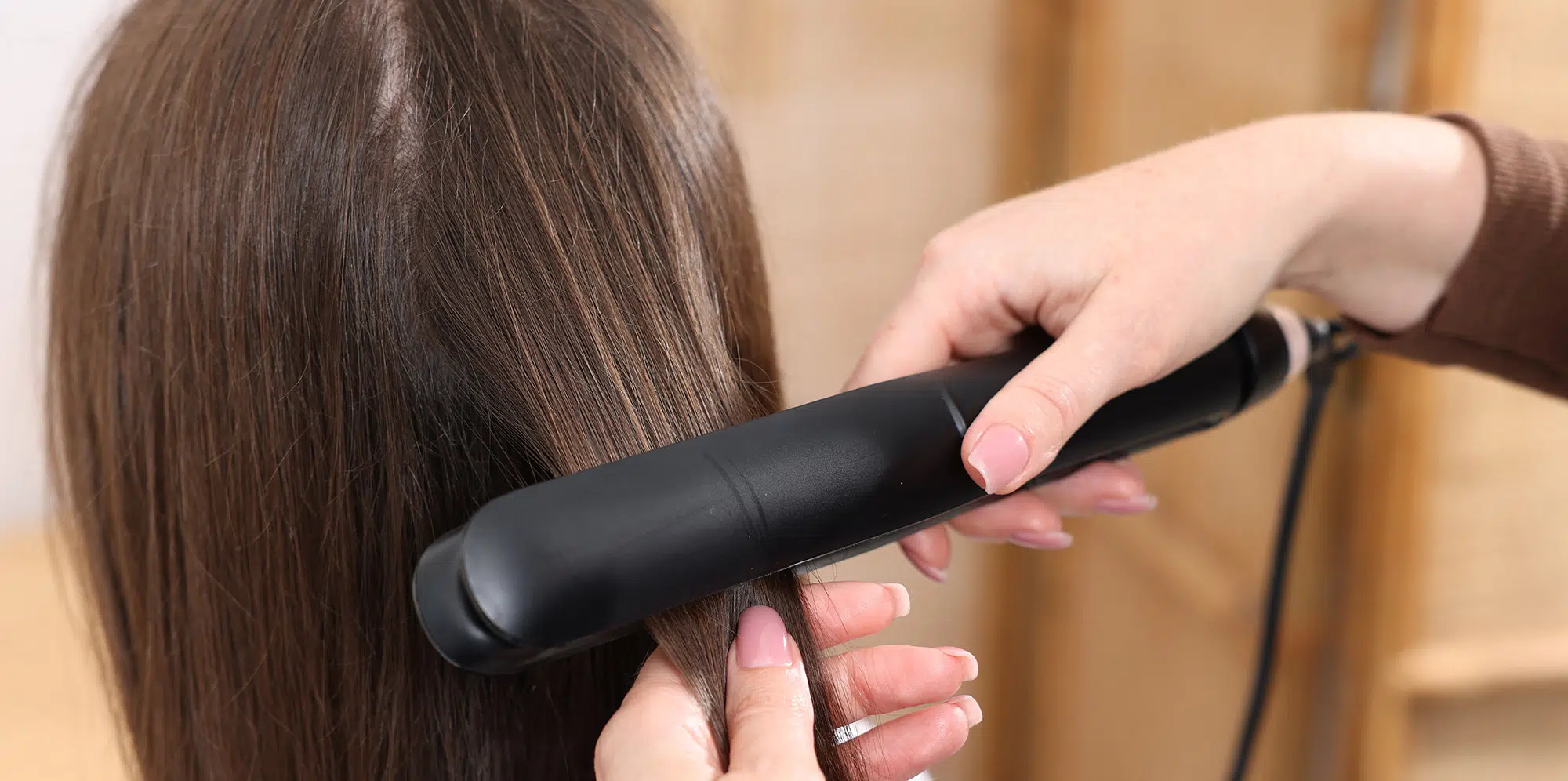
Using a flat iron daily compounds damage. Each pass removes a small amount of moisture and weakens protein bonds. High heat settings accelerate this process, especially on fine or chemically treated hair.
Hair that is colored, relaxed, or permed is more vulnerable because its cuticle is already altered. Flat ironing wet or damp hair is particularly damaging, as internal water turns to steam and creates bubbles within the hair shaft. These bubbles weaken structure from the inside.
Over months or years, this cycle can make hair increasingly fragile and resistant to repair.
How to repair heat damaged hair without making it worse
Many people search for how to repair heat damaged hair hoping for a quick fix. While no product can reverse severe structural damage, there are effective ways to strengthen hair, improve hair regrowth, and prevent further harm.
Start with trimming damaged ends. This removes the weakest sections and prevents splits from traveling upward. Use a gentle, sulfate-free shampoo and condition regularly to restore surface moisture.
Protein treatments can help temporarily reinforce weakened strands, but they should be used carefully. Too much protein can make hair stiff and prone to snapping. Balance protein with deep conditioning masks that restore hydration.
Reducing heat frequency is essential. Switch to lower heat settings and limit flat iron use to a few times per week or less. Always apply a heat protectant designed to reduce moisture loss and distribute heat more evenly.
Safer flat iron habits that protect hair density
You do not need to give up heat styling completely to protect your hair. Smart habits make a significant difference:
- Keep flat iron temperatures as low as possible for your hair type
- Never straighten wet or damp hair
- Use a heat protectant every time
- Avoid repeated passes over the same section
- Let hair air dry partially before styling
- Take regular breaks from heat styling
These steps reduce cumulative damage and help preserve thickness over time.
When heat damage overlaps with medical hair loss
Heat damage often masks or magnifies underlying hair loss conditions. If you already have genetic thinning, heat-related breakage can make changes appear sudden or severe. Women may notice widening parts or reduced ponytail volume. Men may see increased visibility of the scalp.
If hair thinning continues despite reducing heat and improving care, it may not be purely cosmetic damage. Conditions like androgenetic alopecia, telogen effluvium, or inflammatory scalp disorders require medical assessment.
This is where professional evaluation becomes important. A hair restoration physician can determine whether thinning is due to breakage, follicle miniaturization, or both.
Get effective treatment for heat damage and hair loss
When heat damage and hair loss occur together, a combined approach works best. Lifestyle changes address breakage, while medical hair growth treatments support follicle health.
At AZ Hair Restoration, treatment plans may include topical therapies, non-surgical hair loss treatments, or in advanced cases, surgical restoration options. These recommendations are based on individual hair patterns, scalp health, and long-term goals.
Early intervention matters. Addressing thinning before follicles weaken further improves outcomes and preserves future options.
AZ Hair Restoration is a physician-owned hair restoration clinic that has been performing hair restoration procedures in Wake County since 1996. Book a free consult today with Dr. Arthur Zacco for a personalised evaluation.
FAQs
Will my hair get healthier if I stop using heat?
Yes, reducing or stopping heat styling often leads to noticeable improvements in hair strength, shine, and breakage over time. While damaged hair itself cannot fully repair, healthier growth from the scalp can replace weakened strands. If thinning or breakage continues despite reducing heat, AZ Hair Restoration in Raleigh can assess whether genetic or medical hair loss is also involved. Book a free hair restoration consultation to get clarity and personalized guidance.
How can I tell if my thinning is from heat damage or genetics?
Heat damage often causes uneven breakage, split ends, and hair that snaps easily, while genetic hair loss typically shows gradual thinning at the hairline, crown, or part. Many people experience both at the same time. A professional evaluation can distinguish between shaft damage and follicle-related hair loss. At AZ Hair Restoration in Wake County, we provide expert diagnosis and personalized plans. Book your free consultation to understand what’s happening.
How long does it take for hair to recover after heat damage?
Visible improvement in hair texture can begin within weeks after reducing heat, but healthier regrowth takes several months. Hair grows about half an inch per month, so full recovery depends on severity and consistency of care. If hair does not appear thicker over time, underlying hair loss may be present. You can also accelerate healthy hair regrowth with medical treatments. AZ Hair Restoration in Raleigh helps patients protect existing hair and support regrowth. Contact us to book a free consultation.
What treatments help with heat-related hair thinning?
Treatment depends on whether thinning is due to breakage, inflammation, or underlying hair loss. Options may include topical therapies, scalp health treatments, or advanced medical regrowth and restoration approaches when needed. At AZ Hair Restoration, every plan is customized and overseen by Dr. Arthur Zacco to optimize hair growth and health. Patients in Raleigh and surrounding areas can book a free consultation to discuss the most appropriate solutions for their hair concerns.



 Online Marketing For Doctors